
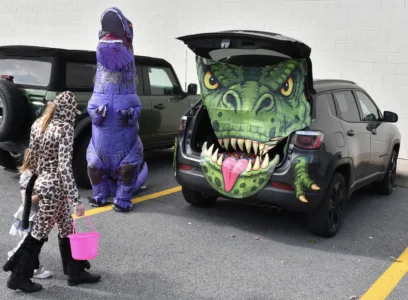
SCARY SATURDAY
Calendar
Reserve Now: • Open-top chicken pie supper — 4 to 7 p.m., Saturday, Oct. 17, Ellen Chapel Church, 11798 Ferguson…
East Juniata principal is not really a new face
COCOLAMUS — When Amy Sherman walked through the doors of East Juniata High School in Cocolamus as its new principal…
In the Region
Beavertown Historical Society Museum open Oct. 25, Nov. 8 and 22 BEAVERTOWN — The Beavertown Historical Society Museum will be…
Marching Huskies keep rolling with another first-place finish
MILL HALL — As autumn winds swept across Malinak Stadium at Central Mountain High School on Saturday, the Mifflin County…
.
TRENDING
Local Sports
Local Schedule
Monday, Oct. 19 Boys soccer Altoona at Mifflin County, 7p Girls soccer Mifflin County at Altoona, 7:30p Volleyball Mifflin County at Lower Dauphin, 6:30p Juniata at Shamokin, 7p EJ at Central Columbia, 6:30p

LOCAL ROUNDUP: Martin erupts for four goals as Tigers roll past Shamokin
GETTYSBURG — The Mid-Penn Conference Cross Country Championships featured one of the state's deepest fields Saturday,…
Huskies turn in strong showing at Mid-Penns
Monday, Oct. 19 Boys soccer Altoona at Mifflin County, 7p Girls soccer Mifflin County at Altoona,…
Local schedule
Penn State

Nittany Lions can’t get out of their own way against Michigan
ANN ARBOR, Mich. – Welcome to the new era of Penn State football. The…
Some nitpicking while waiting for Penn State to stop the bleeding: There are striking similarities between…
PSU, Michigan on similar paths
The Penn State women’s hockey team returns home to host Lindenwood for a pair of conference…
Lady Lions meet Lindenwood on the ice
OPENING NOTES • Penn State heads west for a pair of Big Ten matches this week.…
Lions face UCLA on Friday
Obituaries

Robert E. Harkinson
Robert E. Harkinson, 81, of Lewistown, was welcomed into the arms of his Lord…
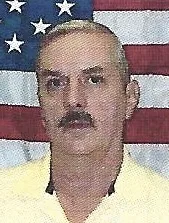
Ronald Ray Ronk
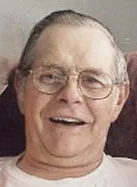
John William Shank
Betsy A. Olson, 73, of Lewistown, passed away Friday, Oct. 16, 2026. Heller-Hoenstine Woodlawn Funeral Home…
Betsy A. Olson
Editorials
Don’t sit out this midterm election
Without a presidential race on the ballot, some voters will sit out next month’s election. We hope you won’t be among them. The governor and legislators elected this fall will help decide how much state money reaches our school districts, which transportation needs get funded and how Pennsylvania taxes and spends. Our representative in…
Second train opens new door for local tourism
Second train opens new door for local tourism
A generation knows 9/11 only as history
Lifestyles
2026 Jim Tunall Award Winners
The Downtown Lewistown Adopt-a-Planter program began in 2016. The program is organized by Sara Buffington. There is no fee to sponsor a planter, other than the cost of selected plants, compost, mulch, fertilizer, etc. Sponsors are responsible for all feeding, watering and general upkeep, and must maintain their planters from mid May to the…
2026 Jim Tunall Award Winners
The healing garden
Pauper’s Cemetery story kept alive by DAR
Religion
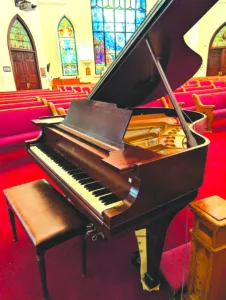
A century of music restored: Historic Steinway returns home to First United Methodist
Danger is lurking: It is not too late to embrace Jesus
Must people forsake their sin to enter the kingdom of God?
The kingdom of God is priceless
Agriculture
New research grants to develop eco-friendly alternatives to petroleum-based plastics
HARRISBURG — Agriculture Secretary Russell Redding recently announced that the Pennsylvania Department of Agriculture is accepting proposals for two grants aimed at reducing plastic waste and creating new market opportunities for Pennsylvania farmers. The first grant will support development of a recycling program for plastics used in producing, harvesting, packaging, and transporting crops and…