
Understanding the science and stakes behind Pa.’s synchronous fireflies
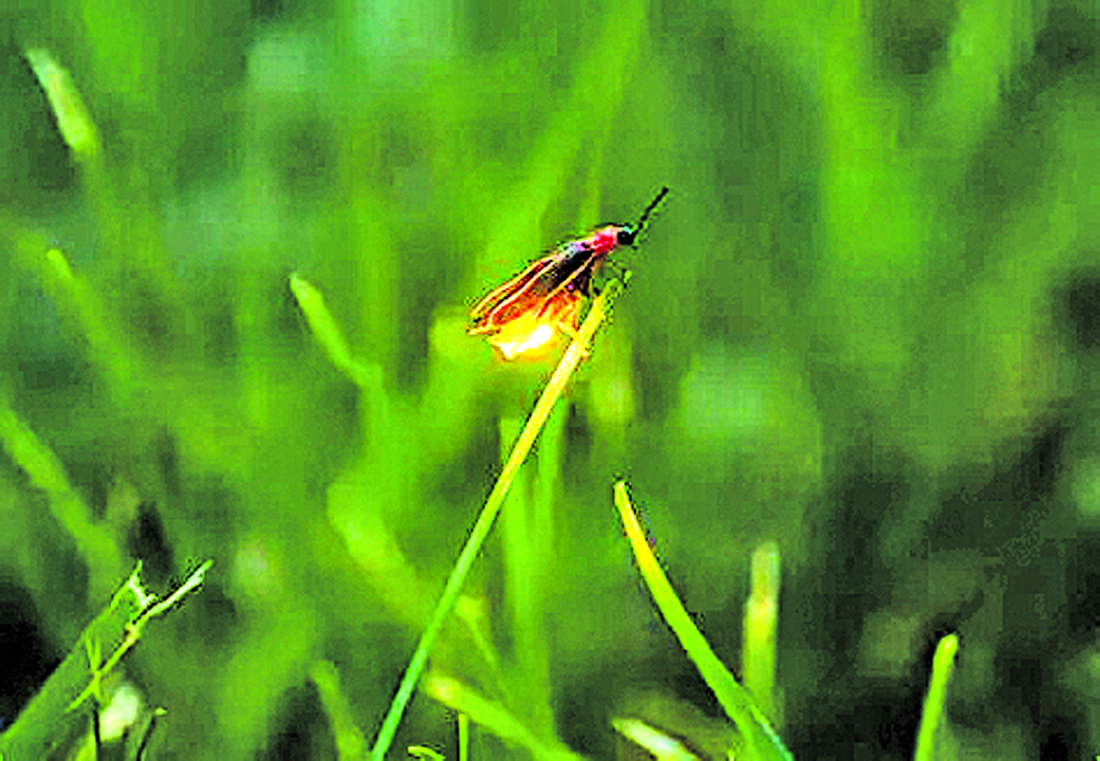
Photo courtesy of DCNR<br> Adult fireflies usually feed on nectar or pollen.
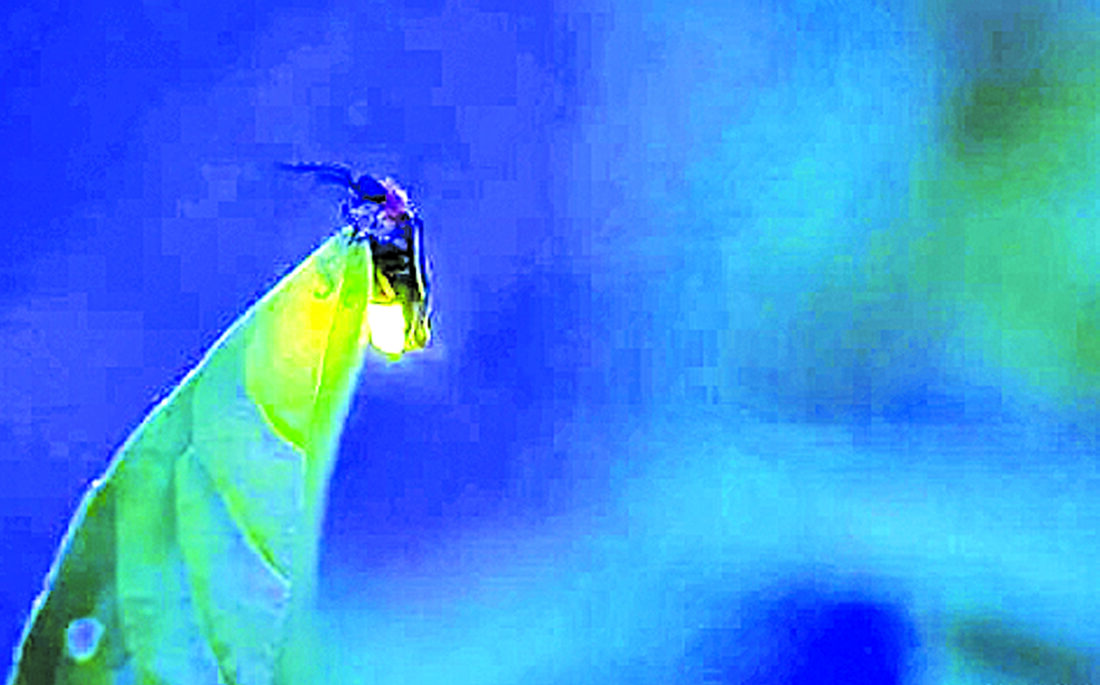
Photo courtesy of DCNR<br> Fireflies thrive near forests, wetlands and fields. They play a vital ecological role by controlling pest populations.
Photo courtesy of DCNR<br> Adult fireflies usually feed on nectar or pollen.
Photo courtesy of DCNR<br> Fireflies thrive near forests, wetlands and fields. They play a vital ecological role by controlling pest populations.
Trending
[Editor's Note: This is part two of the May 12 program for the Towpath Naturalist Society of Mifflin and Juniata County].
LEWISTOWN -- When the Towpath Naturalist Society of Mifflin and Juniata County welcomed environmental educator Jen Moore on May 12, her presentation offered more than a glimpse into the beauty of synchronous fireflies. It opened a deeper conversation about a species that depends on darkness, moisture and undisturbed forest floors -- conditions that are becoming harder to maintain.
Moore, who works with the Department of Conservation and Natural Resources at the Greenwood Furnace State Park Complex, has spent years studying fireflies and leading nighttime programs across the state. Her introduction to synchronous fireflies came during her early work with the PA Firefly Festival in Kellettville, Forest County, where she first witnessed the coordinated flashes that would reshape her understanding of Pennsylvania's summer nights.
At the festival, she joined nightly walks through the Allegheny National Forest, where guides pointed out the dozens of firefly species found in the region. It was during one of those walks that she saw the forest brighten in rhythmic waves -- the signature pattern of Photinus carolinus, a species once believed to exist only in Tennessee's Great Smoky Mountains. That discovery led her to become more involved with the festival, eventually joining its board and helping expand educational programming.
Her work later continued at Chapman State Park, where synchronous fireflies were confirmed. There, she led nighttime programs that drew visitors from across the region, many of whom were seeing the species for the first time. Moore often noted how quickly curiosity turned into concern once people learned how vulnerable fireflies are to changes in their environment.
Fireflies spend most of their lives as larvae in leaf litter, feeding on snails and other small invertebrates. They require damp soil, intact forest floors and minimal disturbance. Even small changes can disrupt their development. Artificial lighting is one of the biggest threats. Because fireflies communicate through light signals, bright outdoor fixtures can drown out their flashes, making it harder for males and females to find each other.
Habitat loss is another concern. Removing leaf litter, clearing understory vegetation or converting forest edges to lawns can eliminate the places where larvae develop. Pesticides add a third layer of pressure, as many common lawn treatments kill the invertebrates firefly larvae depend on or poison the larvae directly.
During her Towpath program, Moore emphasized that residents "can make a meaningful difference." She encouraged people to reduce unnecessary outdoor lighting, use motion sensors instead of constant illumination, avoid pesticides and leave leaf litter in natural areas. Even small patches of habitat, she explained, can support local firefly populations.
She also urged "responsible viewing practices. Staying on trails during nighttime walks protects larvae hidden in the leaf litter." Avoiding flash photography prevents disruption of mating signals. Keeping groups quiet helps preserve the sense of wonder that draws people to the experience in the first place.
For Moore, science and magic are inseparable. She has watched visitors fall silent as the forest brightens in synchronized waves, then leaves with "a new appreciation for what lives in the dark." That shift -- from curiosity to stewardship -- is what she hopes to inspire.
Fireflies, she explained, are indicators of ecosystem health. Their presence signals clean water, intact forests and dark skies. Their decline warns of changes happening too quickly to ignore.
As summer unfolds, Moore hopes more Pennsylvanians will take time to step outside, look into the trees and notice what's still glowing. The light show is beautiful, but it is also a reminder. What shines tomorrow depends on the choices people make today.