
Hempatrics looks to grow a new industry in Juniata County
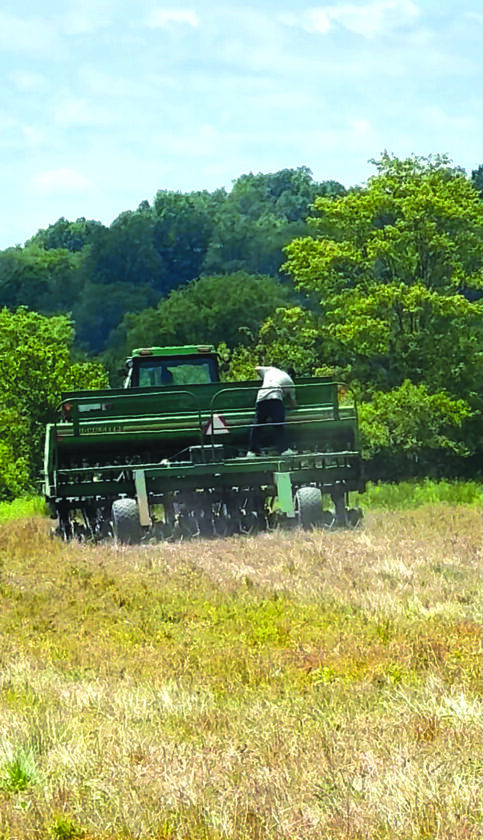
Photos courtesy of Hempatrics<br> Hempatrics, a Juniata County business, has been in Mifflintown for about a year.
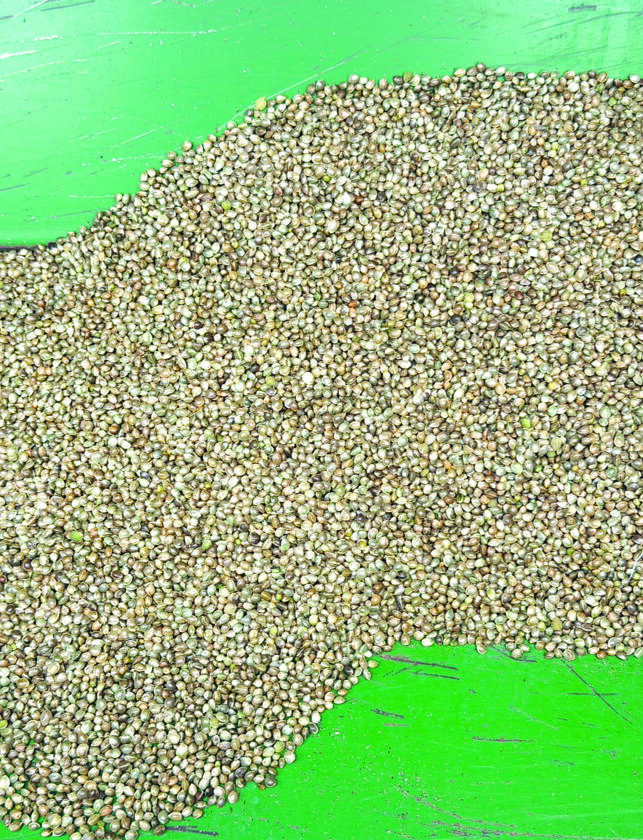
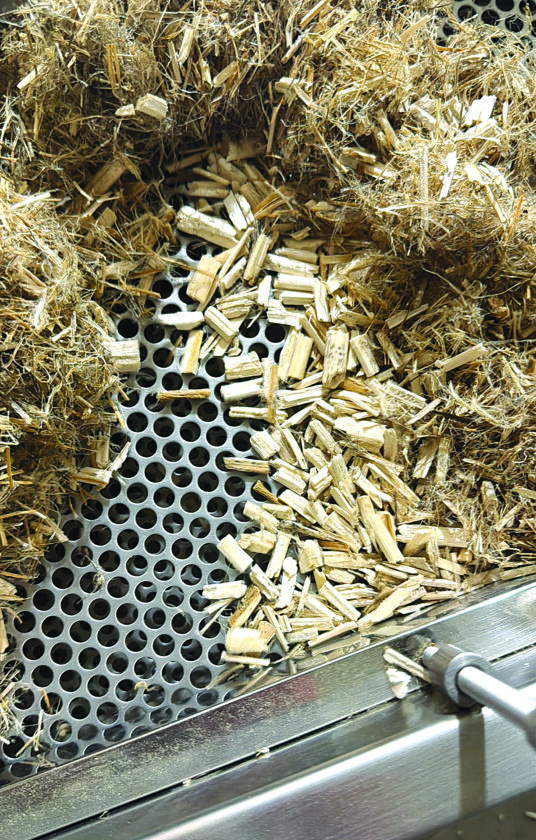
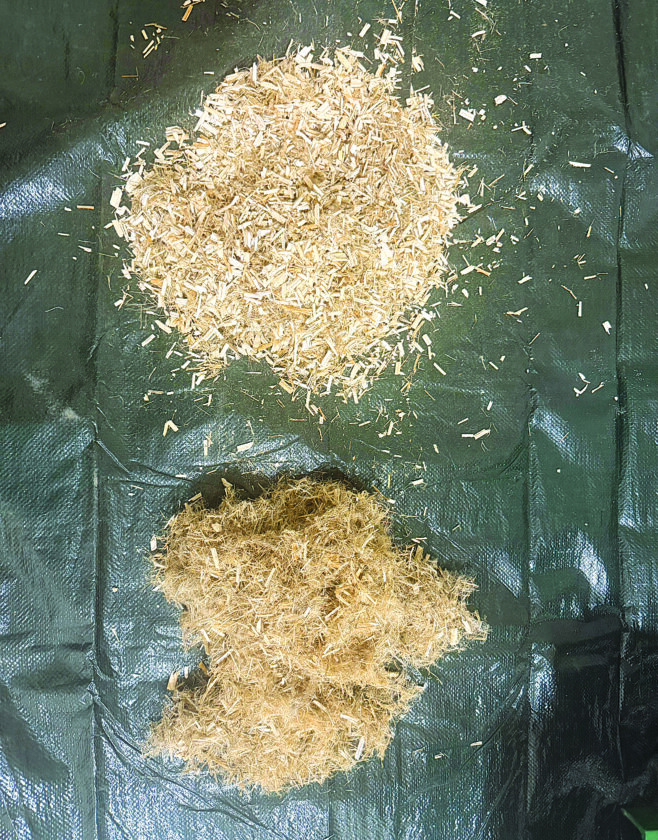
Photos courtesy of Hempatrics<br> Hempatrics, a Juniata County business, has been in Mifflintown for about a year.
Trending
MIFFLINTOWN -- Inside a Mifflintown warehouse, a machine waits on a crop most people still misunderstand.
Feed it hemp stalks. Break them apart. Separate the useful pieces.
From those stalks, Abraham Aras sees horse bedding, building materials, textiles, plastic alternatives, farm income, manufacturing jobs and, someday, a research center in Juniata County.
First, though, he has to get people past one word.
For many people, hemp still means marijuana.
Aras, co-founder and manager of Hempatrics, knows it. Dane Walters, director of Juniata Business and Industry, knows it too. Before Hempatrics can sell animal bedding or hempcrete, line up more farmers, or talk about competing with Europe, it has to explain the crop itself.
Industrial hemp, Aras said, is regulated by THC, the chemical compound associated with marijuana's high. By law, industrial hemp must stay below 0.3% THC.
"Even though you can smoke the hemp that we grow, it's not going to do anything to you," Aras said. "The THC level is below zero point three percent."
He said the company's stalks are inspected through the Pennsylvania Department of Agriculture and its seeds come from sources that test for THC levels. Walters said growers also have to be careful about cross-contamination with marijuana because that can affect the crop.
That explanation is part of what Hempatrics is trying to build at 65 Industrial Circle.
Aras said the company has been in Mifflintown for about a year, after arriving there almost by accident. He and his partners were looking for a warehouse and land. Walters connected them with Brad Hershey at Hoover Farm Equipment, who had a building available.
"We love the area," Aras said. "A lot of land, kind people."
Now Hempatrics has a warehouse, machinery, and its first local crop. Aras said the company planted five acres of industrial hemp this year and expects to harvest it in early October. Inside the warehouse, he said, Hempatrics has machinery to process chopped stalks, including equipment for screening and mixing. It is working on a test batch of about two tons.
This year, Aras said, is for learning.
"We are burning cash, basically," he said. "This is our research year."
That might sound like a strange thing for a young business owner to say, but Aras doesn't talk like someone selling a miracle. He talks like someone who found a hard problem and then found out it was harder than expected.
Hemp became federally legal in 2018, but legalization didn't create a working market overnight. Some farmers grew hemp early, expected quick returns, and lost money when the market wasn't ready.
Aras knows that history follows him into conversations with farmers.
"Some farmers had a very bad experience after it got legalized in the United States in 2018," he said. "They jumped on it. They said, okay, we're going to grow hemp, and we're going to make money. Then they realized that the market wasn't good."
That history is part of the reason Hempatrics is moving slowly. This year is for testing seeds, learning what grows well and finding the best way to process the stalks. The company has already found a farmer for this season. Next year, Aras said, Hempatrics wants to scale to 50 or 60 acres if it can find enough growers.
The first product is animal bedding made from hemp hurd, the woody inner core of the stalk. Hempatrics plans to give free samples to horse farms and seek feedback. The product is aimed at horse stalls, chicken coops, and other animal bedding uses.
After that comes the larger ambition: hempcrete.
Hempcrete is made from hemp hurd, lime binder, and water. It's used in construction as a natural insulation material. Aras described it as fire-resistant, sustainable, and helpful for controlling the temperature inside homes. It's been used more widely in places such as France, where the hemp-building industry is further along.
Aras said many green builders in the United States still buy hemp materials from France or from states such as Colorado, California, and Texas.
"Why would they buy from France?" he said. "Why can't they buy from us?"
That question is the business plan in its simplest form. If local farmers can grow the crop, Hempatrics can process the stalks, and builders and animal owners can use the products, Juniata County could become part of a supply chain that barely exists in the Northeast.
Walters sees the economic-development side. He said the crop could give farmers another cash crop and could lead to manufacturing jobs if the company grows. He also said Hempatrics has discussed a laboratory or research facility down the road.
"I think it will actually develop into something where the farmers would benefit from being able to raise it as a money crop," Walters said.
Aras talks about the same future in broader terms. He wants Hempatrics to help make Pennsylvania, and specifically Juniata County, a center for industrial hemp. He said the company hopes to get into hempcrete, fiber, and eventually manufacturing. Hemp fiber can be used in clothing, towels, and other textiles. Hemp can also be used in plastic alternatives, Aras said.
The stalk, Walters said, can be used with very little waste.
"They use every piece of the stalk," Walters said.
Hempatrics' origin story began far from a Juniata County field. Aras said his partner is a neurosurgeon who has experience with medical marijuana cards through companies in several states, including Pennsylvania. During a meeting, the partner mentioned hempcrete. Aras hadn't heard of it.
They researched it and saw that few companies were working in the space, especially in the Northeast. They learned France had a long head start.
They talked with people in Pennsylvania and decided the opportunity was real.
Aras had recently graduated from college, where he studied financial technology. His partner was a neurosurgeon. Together, they landed in Mifflintown with a warehouse, machinery and an idea that depends on agriculture, construction, manufacturing and public education.
There are easier businesses to start.
Hempatrics has to convince farmers to trust a crop that cost some growers money a few years ago. It has to convince residents that industrial hemp and marijuana are different under the law. It has to create a market for bedding before moving toward hempcrete. It has to learn from European practices while adapting them to central Pennsylvania.
Aras said the company has already modified its screening equipment after studying practices used in France. He said Hempatrics plans to attend expos there next year and learn more from the country's hemp industry.
"We are trying to bring what they do in France here in the U.S. and compete with them," he said.
For now, the work is more modest: five acres, a test batch, free samples, conversations with farmers and builders, and a warehouse in Mifflintown where stalks are chopped, cleaned, screened, and bagged.
Aras said success a year from now would mean better hemp hurd, the right lime binder formula for hempcrete and more people willing to work with the company. It would also mean more people understanding that hemp is an industrial crop.
"This is just a crop like corn or soy," he said.
That may be the sentence Hempatrics needs the county to hear.
In a place where fields already shape the economy and identity, Aras is asking farmers and residents to imagine another crop. A field of hemp growing under state regulation. A stalk harvested for its fiber and woody core. A warehouse turning it into bedding, building materials and products that might travel beyond Juniata County with the county's name attached.
The crop is in the ground now.
The market, Hempatrics hopes, can be built around it.
For more information visit the Hempatrics website at hempatrics.com or phone (470) 553-4324.