
Enthusiast to talk about hobby for the bird
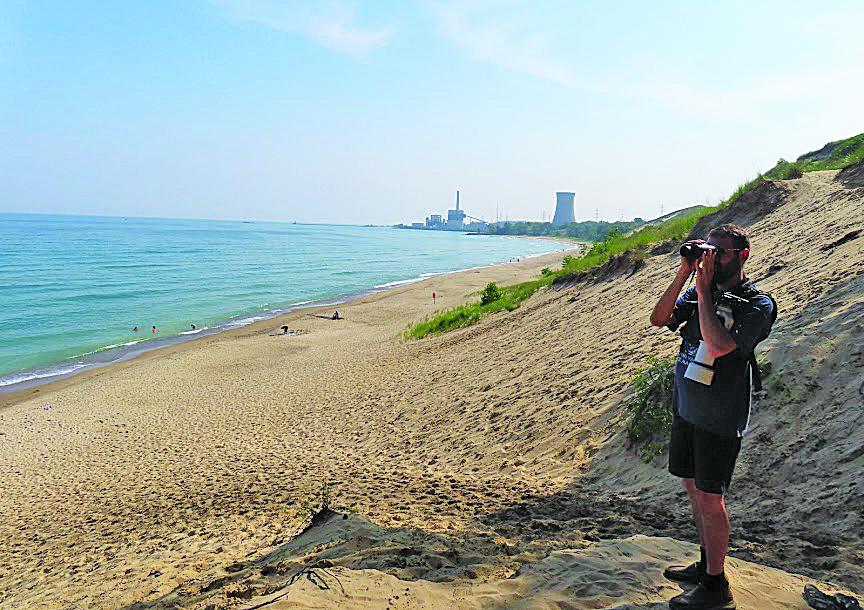
Photo courtesy of JOE GYEKIS Joe Gyekis, an avid birder, watches from the shores of an Indiana beach.
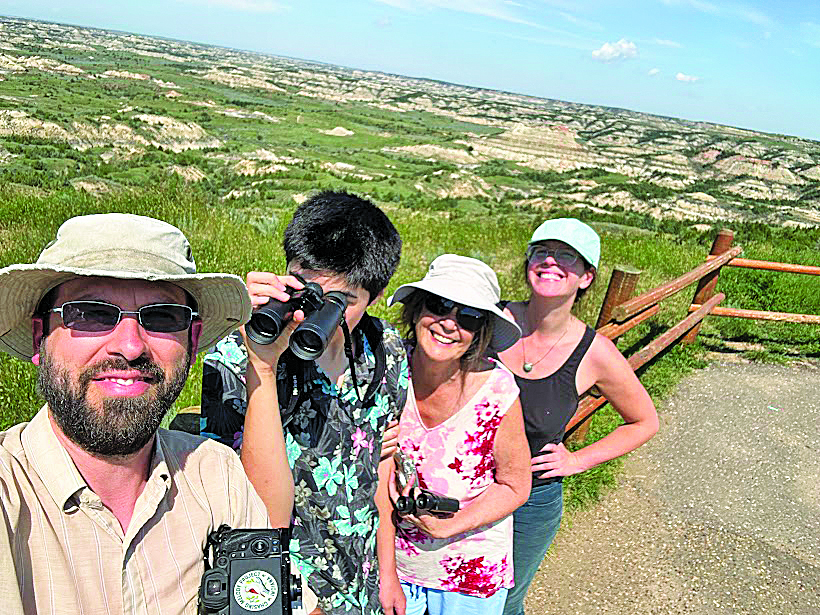
Photo courtesy of JOE GYEKIS Joe Gyekis (far left) traveled to North Dakota on a recent birdwatching trip with family members, including his son, mother and sister.
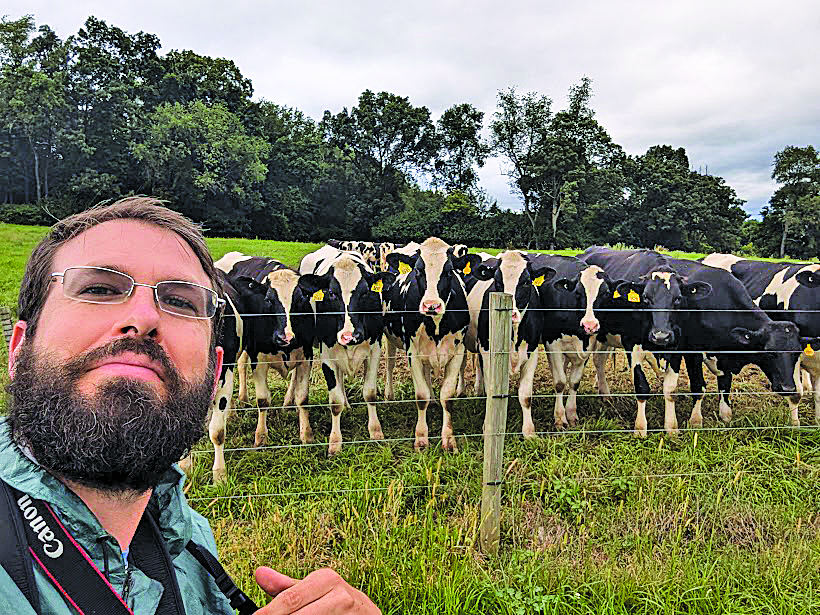
Photo courtesy of JOE GYEKIS Closer to home, Joe Gyekis takes a selfie with some cows while birding on the Penn State campus.
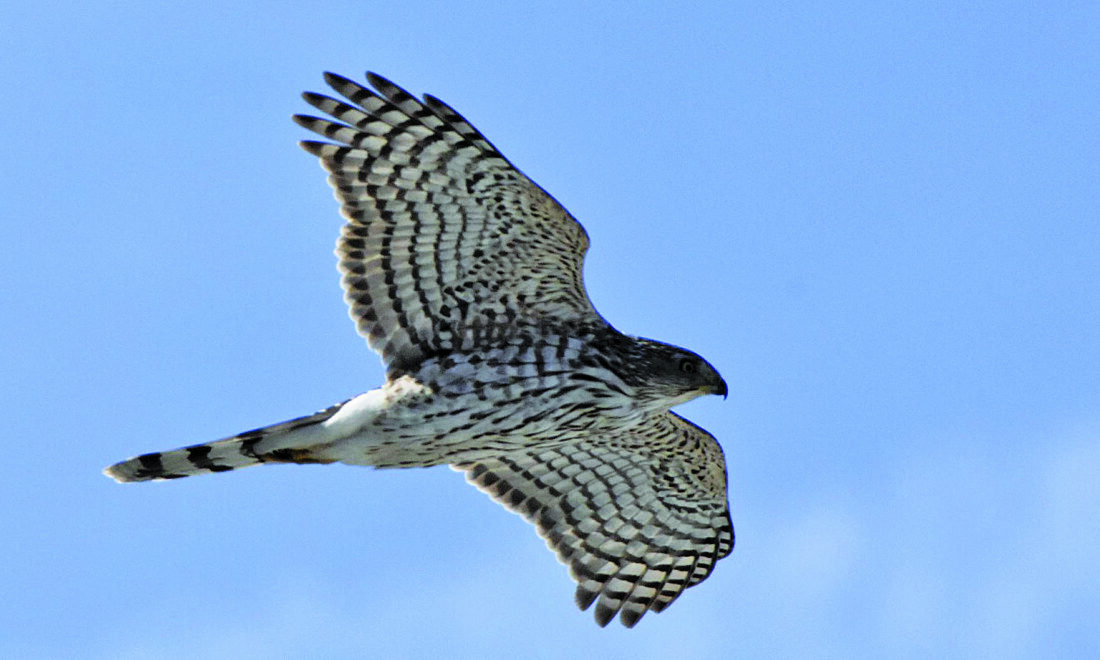
Photo courtesy of JOE GYEKIS Cooper Hawk
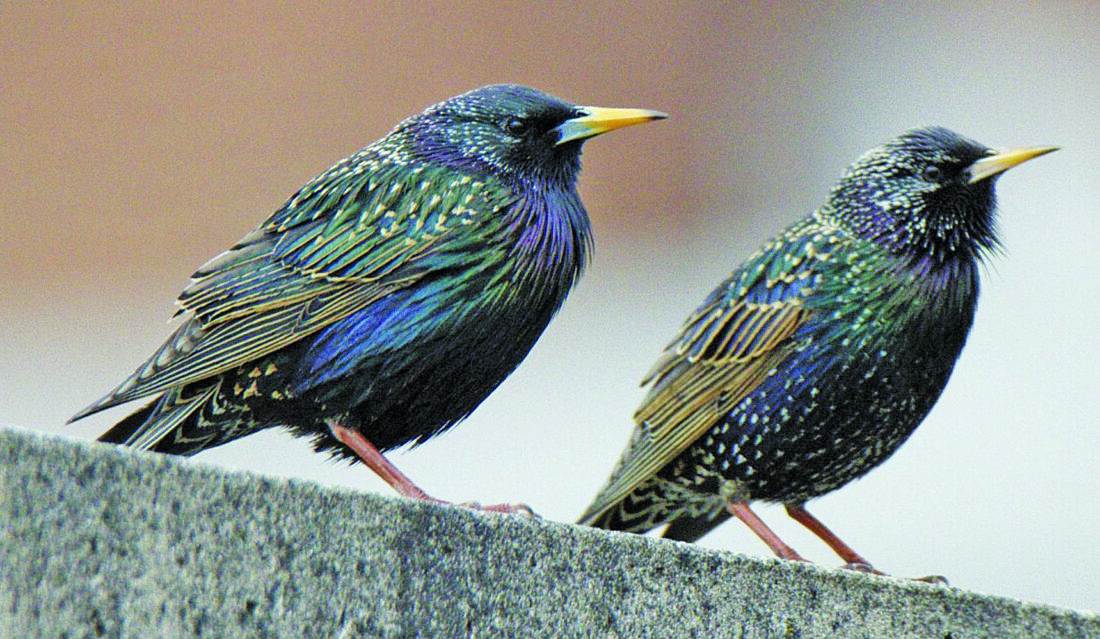
Photo courtesy of JOE GYEKIS European Starling
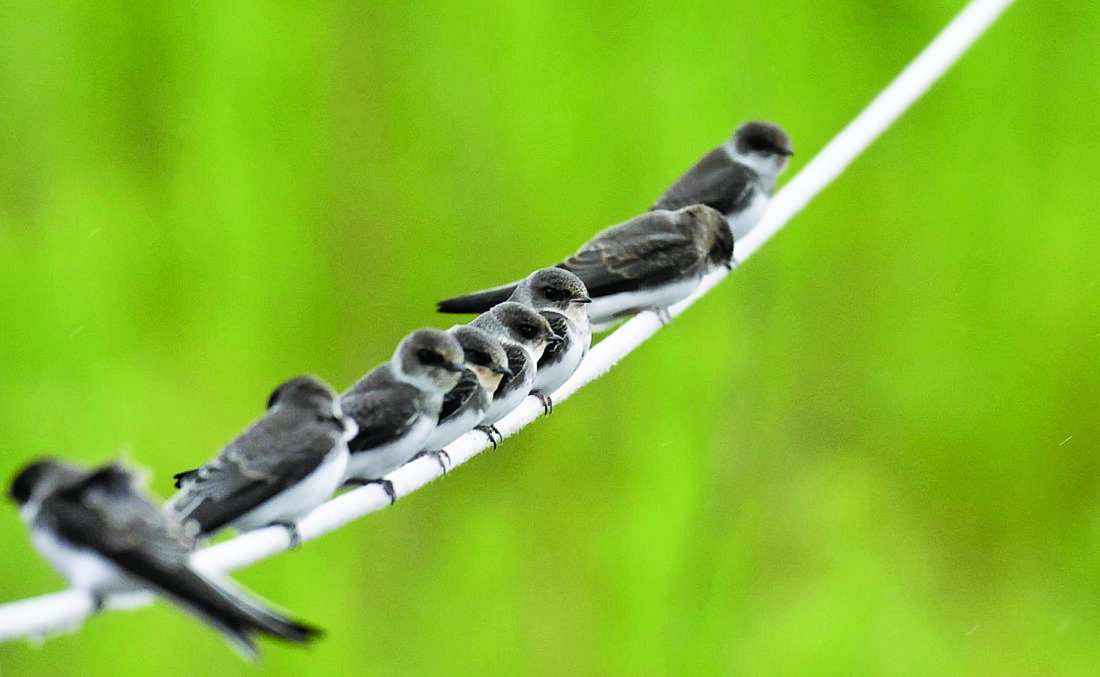
Photo courtesy of JOE GYEKIS Bank Swallows
Photo courtesy of JOE GYEKIS Joe Gyekis, an avid birder, watches from the shores of an Indiana beach.
Photo courtesy of JOE GYEKIS Joe Gyekis (far left) traveled to North Dakota on a recent birdwatching trip with family members, including his son, mother and sister.
Photo courtesy of JOE GYEKIS Closer to home, Joe Gyekis takes a selfie with some cows while birding on the Penn State campus.
Photo courtesy of JOE GYEKIS Cooper Hawk
Photo courtesy of JOE GYEKIS European Starling
Photo courtesy of JOE GYEKIS Bank Swallows
Trending
LEWISTOWN -- In this era of electronics, Joe Gyekis' parents were certain that connecting with nature no longer came naturally to children. Which is why they wanted young Joe to associate with nature through birdwatching.
To pique the youngster's interest, they used to sit his highchair in front of their bird feeder.
"My parents didn't let me have video games, so this was my video game," quipped Gyekis, now age 42 and still an avid birder. "I treated it as a bit of a game or a sport -- it was like a challenge."
Certainly not like the popular video games of the time, but it provided a different kind of thrill nonetheless.
"My mom was a birder, and she and Dad were always interested in the outdoors," added Gyekis, who lives in State College, teaches biobehavioral health at Penn State and is involved in several ornithological projects on campus.
"I was a little more laid back then," he recalled. Through the years, his interest in birding hasn't waned.
Gyekis will speak to the Towpath Naturalist Society of Juniata and Mifflin County about birding during a program called "Nocturnal Migration: Finding Birds of the Night Sky," at 7 p.m. Tuesday, Sept. 9, at the Fellowship Hall, St. John's Lutheran Church, Lewistown. Attendees should use the rear entrance.
"In a normal year, I hear recordings of about 100 species of birds -- Owls, Warblers, Thrushes, Orioles, Grosbeaks and Sandpipers," he explained. Sometimes, with birds in flight, their songs are the only means of identification.
By the time he turned nine, Gyekis had caught the birdwatching bug and was fascinated by all of the species he could find throughout central Pennsylvania.
"I'd go outside for walks, and have cool moments where I lucked into flocks of birds," he said. "I remembered how fun it was and got myself into it."
While Gyekis liked reading about other animals in books, like dinosaurs and tigers, they failed to keep his interest because he didn't see them on his favorite walks. "Nature watching was a hobby for me," Gyekis said. "It was productive because you could find birds everywhere. I'd recognize them, and have to put my binoculars on the right way."
When he saw a bird fly by, he instantly became captivated by it and challenged himself to learn what it was.
"It's not always easy to look at it, so people know their songs," Gyekis added. He has also taken hundreds of photos of birds over the years.
His mom also had friends who nurtured his interest as well as his grandparents.
The family frequently participated in Christmas-time bird counts as well as hikes up into the forests and mountains of state parks. One of his favorite places was Parker Dam State Park in Clearfield County.
"We went there and got really great looks," he recalled of seeing American Redstarts and Blackburnian and Black-throated Blue warblers. "Right after that is when I really got interested, and I would look for anything I could see."
Eventually, Gyekis decided to put birding on the back burner and focus on other things. Only recently, did he get the itch to start birdwatching again. "For the past 10 years or so, I've been going full tilt. I stopped when I was in college and got busy with my career," Gyekis said. "I didn't expect to dive back into it as intensively as I have. (It's rewarding) connecting with people with similar interests."
One of the studies he is involved with at Penn State is bird-window collisions. He helps to track the species of birds and when and where it happened. With the University Park campus being so vast, Gyekis asked colleagues for help with sightings of birds that hit windows or were found injured or dead.
He even collaborated with an undergraduate student who had put together an intensive study on the subject, including suggestions on how to solve the problem. "Penn State has so many big buildings with lots of glass and glassy facades," Gyekis explained of why so many birds collide with windows. "We gradually learned some of the patterns why they hit, and why it was different than what people expected."
Meaning, a lot of birds hit windows near the ground because they are foraging for food, especially Sparrows and Warblers.
By hanging special spots on the window surfaces or strands on the outside, collisions can be prevented. Gyekis' study documented nearly 1,000 birds that died from collisions at Penn State.
He was also involved in another study about the migration phenomena of typically non-migratory birds, including the White-breasted nuthatch.
"It traces back to how much food is in the forest," Gyekis said of how areas can provide nutrients one year and not the next, forcing the birds to seek food in other areas. Eventually, they might migrate back to their original homes.
When asked if he has a favorite species of bird, Gyekis coyly replied, "The next one."
The Towpath Naturalists always welcome new members and guests. Annual dues are $10. For more information, call (717) 248-0883.