
Award-winning author to discuss caring for aging parents at Juniata County Library
Trending
MIFFLINTOWN -- For many adults, one of life’s most difficult transitions comes when the roles begin to reverse and they find themselves caring for the parents who once cared for them.
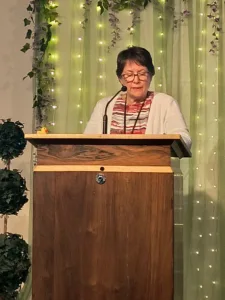
Central Pennsylvania author, retired middle school teacher and 2026 ChristLit Book Award winner Deb Richmond hopes to help families navigate that journey during a free program, “Parenting Your Parents: When to Step In and How to Do It Without Losing Their Trust,” at 6:30 p.m. on Thursday, Nov. 12 at the Juniata County Library, located at 498 Jefferson St., Mifflintown.
The event will focus on recognizing safety and memory concerns, protecting aging loved ones from scams, beginning difficult conversations and connecting caregivers with helpful resources.
Richmond’s perspective is shaped by both her years as an educator and her experiences as a writer exploring themes of caregiving, aging and family relationships. Through her speaking engagements, blog and award-winning novel, “The Wandering Place,” which earned the 2026 ChristLit Book Award, she examines issues surrounding Alzheimer’s disease, dementia and preserving dignity during the later stages of life.
The topic resonates with a growing number of local families who find themselves balancing careers, marriages, children and the needs of elderly parents.
Richmond describes her writing as an effort to recreate the sense of community and connection she experienced growing up.
“As a child, I loved sitting on the front porch listening to heartfelt stories from friends, neighbors, and family who stopped by to visit,” Richmond writes on her website. “We waved to passing travelers, shared memories from long ago, and laughed about the simple joys of everyday life.”
Those experiences continue to shape both her writing and her approach to helping others.
“Today, many front porches sit empty, so I created this space to bring that feeling back,” she writes. “Welcome to my front porch.”
Richmond’s work often centers on the emotional realities of caregiving. While many people are prepared for the practical responsibilities that come with helping an aging parent, fewer are ready for the emotional and relational challenges that accompany the role.
Among those challenges is isolation.
In her writings on caregiving, Richmond notes that adults living with aging parents can often find themselves feeling disconnected from friends and social activities as caregiving demands increase. Caregivers frequently reduce work hours, retire early or limit social activities to remain available for parents who need increasing levels of support.
Richmond also encourages caregivers to maintain social connections.
“Older adults and caregivers need face-to-face contact to feel recognized and remembered,” she writes, encouraging the use of technology to stay connected when leaving home becomes difficult.
Another challenge involves sharing living space when elderly parents move into a child’s home or when adult children relocate to assist a parent. Families often find themselves navigating new boundaries, household routines and expectations while trying to maintain healthy relationships.
Richmond has written about the realities of creating shared spaces, establishing boundaries and determining how families can successfully live together while preserving both independence and dignity for aging loved ones.
Safety concerns often become another turning point that prompts adult children to become more involved in a parent’s care. Falls, medication management, memory lapses and declining mobility can create situations that require family members to step in, sometimes despite resistance from the parent.
The title of Richmond’s presentation reflects a challenge many caregivers understand well: how to offer help without damaging trust or independence.
Adult children often struggle with knowing when to intervene and how to begin conversations about driving, finances, health concerns or living arrangements. Those discussions can be especially difficult when aging parents want to maintain control of their own decisions.
The program will also address protecting older adults from scams, an increasingly important topic as fraud schemes targeting seniors continue to grow. Richmond plans to discuss ways families can identify warning signs and help loved ones avoid becoming victims.
Her presentation will also offer guidance on finding resources available to caregivers, many of whom feel overwhelmed as they navigate healthcare systems, legal decisions and the daily responsibilities that come with caring for a parent.
Richmond’s novel “The Wandering Place” explores many of the same themes through fiction, following a family navigating dementia, caregiving and long-buried family secrets while highlighting the emotional complexities that arise when loved ones begin to lose memories and independence.
She also emphasizes the importance of accepting help.
“If you are an adult caregiver, keep a list of needs that can be met by friends, family and neighbors who offer help,” Richmond advises.
“Here you’ll find heartfelt stories, moments of nostalgia, reflections on growing older, humorous thoughts, and comfort for anyone walking through grief,” she writes. “Pull up a chair, stay awhile, and enjoy stories that remind us of where we’ve been and the people who shaped us.”
Organizers say the program is designed both for people already serving as caregivers and for those who may soon face decisions involving an aging parent. Attendees can expect practical advice as well as encouragement from someone who has spent years examining caregiving through both writing and personal experience.
The event is free and open to the public. Registration is requested and can be completed by emailing debrichmond62@gmail.com.