
Students can learn the craft of meat processing through Penn State apprenticeship program
Trending
UNIVERSITY PARK -- Each year, aspiring meat processors in Pennsylvania improve their skills by participating in the Butcher School Apprenticeship Program -- a hands-on job training opportunity offered by Penn State Extension.
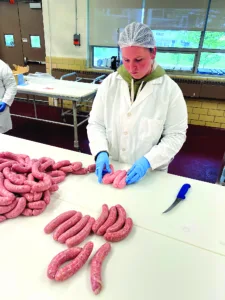
The program includes three weeks of related technical instruction in classrooms and laboratories in Penn State's College of Agricultural Sciences, followed by a 3,000-hour paid apprenticeship at a meat processor in Pennsylvania.
The training and apprenticeship are designed to meet industry demands for skilled labor. Small meat processors, in particular, are often in search of new employees.
"We have more employers interested in hiring apprentices than we have apprentices," said Sam Watson, assistant professor of meat science and co-leader of the program. "We have some class size limitations to make sure everyone is safe while practicing knife work, but we continue to hear from employers who want skilled workers. Our goal is to expand the program to get more workers to our processors."
Watson presents the sessions with Aaron Wolfe, meat science extension program specialist and coordinator for the apprentice program.
Scott Carey, owner of Slate Belt Butchery near Allentown, hired his first apprentice two years ago. He said the experience was successful, and he encourages others interested in meat processing to apply.
"This job involves hard work and commitment, and the program really helps expose apprentices to the full range of what's involved," said Carey, who also is president of the Pennsylvania Association of Meat Processors. "Most butchers are introduced to the business through farming or family businesses, so it's nice to have a program that is available for everyone."
Carey has been a guest speaker during past sessions at Penn State, and he continues to support his industry through the association.
"The meat lab at Penn State has been instrumental and a great anchor for the meat industry," he said. "Trades like meat processing are super important for local communities, and I'm thankful for the apprenticeship program."
Katelyn Venesky and Rebekah Miller are current apprentices who say the program is helping them gain the skills and experience to thrive.
Venesky, of Ebensburg, grew up helping her family care for beef cattle and butcher chickens, but the skills she is gaining are helping her expand her knowledge. She graduated from high school this past spring and is completing her apprenticeship at Frederick's Meat Market in Roaring Spring.
"The training helped me learn the things I didn't already know, including the business and marketing side of things," she said. "The people I work alongside are very supportive and willing to help me learn the things I need to know."
Her goal is to one day work at a meat shop in her hometown, so she can keep working on the family farm. She encourages others to complete the program because it prepares them for real-world experience.
"It gives you the experience and lets you have a little preview before you just jump directly into the industry," she said.
Miller, of Punxsutawney, grew up helping on her family's farm, but said she has no prior butchering experience.
She completed one year of college and later saw an advertisement for the apprenticeship. Today, she helps prepare and process meat for Graham's Custom Butchering in Kittanning.
"I really enjoy what I'm doing, and my co-workers make sure I get to learn everything the job requires," she said. "I love agriculture; I see this as a way to help my family's farm and the farmers around me."
Miller encourages those interested to apply.
"You need to hear everyone out and consider what they are telling you," she said. "Even if you think you already know something, you can always learn more and improve what you know."
The Penn State portion of the program covers the basics of butchering and meat processing. This includes cleaning and sanitation, safety, equipment, business management and job placement.
"The main thing is getting them comfortable working in a meat shop," Watson said. "We want people who are committed to the industry. If you have no experience, that is OK as long as you're excited to learn and willing to work hard."
Seven apprentices completed the Penn State training in July and are now employed. He said some want to own a meat shop, while others prefer to work for someone else.
Either way, Watson said he tries to provide a realistic overview of what apprentices can expect. That includes a discussion of equipment and labor costs, as well as the regulatory and business side.
The training portion is fully funded for those selected, Watson said, and apprentices receive payment based on what their employers offer. To receive state funding, applicants must be from Pennsylvania.
Upon completion of the program, apprentices receive a journey worker certification from the Pennsylvania Department of Labor and Industry.
Applicants must apply for the program, and program staff conduct candidate interviews before making a selection. To learn more about the apprenticeship program or to receive information about the 2027 offering and survey, visit the program web page.