
Season’s end in a Pennsylvania vegetable garden
Trending
Although a vegetable garden can still produce food in the winter months, and the first frost in our area is typically in mid-October, now is the time to start preparing the garden for the cold season. Managing a vegetable garden through a Pennsylvania winter involves clearing dead annuals and biennials, planting overwintering crops, protecting the soil from harsh winter freeze-thaw cycles, and testing your soil.
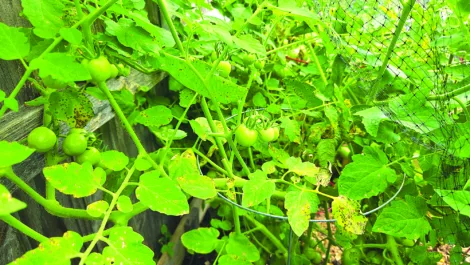
Start by harvesting the last of your warm-season crops. Vegetables such as tomatoes, cucumbers, peppers, and beans will stop producing as the weather cools and days become shorter. Cucumbers will also become bitter when the nights are too cold. Pick any remaining green or ripe vegetables. Enjoy eating those vegetables or preserve them for later use.
Many vegetables can survive and even thrive in cooler weather. Leafy greens such as Swiss chard, lettuce, mustard greens, and kale will be slower to bolt in cooler weather and will tolerate fewer hours of sunlight. Root vegetables such as beets, carrots, turnips, and radishes can withstand light frost. These crops will even improve their flavor, as root crops develop more sugars when soil temperatures are below 40 degrees Fahrenheit. Brussels sprouts and broccoli also become less bitter when exposed to light frost.
There are several options for clearing plant residue from a vegetable garden. One option is to clear the garden by pulling non-producing plants and weeds. These plants can be put into a compost pile if they contain no spreadable diseases, weed seeds, or insects. If diseased or insect-infested plants are left in place, the disease or pests may overwinter in the soil.
Most home compost bins do not reach the minimum temperature of 140 degrees Fahrenheit, which is necessary to kill pathogens and diseases. Disposing of diseased plant material in the trash or, where permitted, burning it will reduce disease severity in the next growing season. If healthy plants are composted, you may add the compost to the garden the following spring, thereby returning some nutrients to the soil.
Another option for healthy plant residue is to leave the plants in place without tilling them into the soil. Current research advises against tilling because it is harmful to soil structure over time. Residue can be cut off at ground level or chopped into smaller pieces with pruners, a scythe, or a mower, which will allow the pieces to break down more quickly.
If diseases are present, note where the diseased plants were in the garden and consider crop rotation the following year. Disease problems often increase when the same crop or a crop in the same family is planted in the same area the following year. Gardeners should not plant vegetables from the same plant family in the same place for at least three years. For example, if your tomatoes have early or late blight, common fungal infections in tomatoes, you should not plant any vegetables in the nightshade (Solanaceae) family, such as peppers, eggplants or potatoes, in the same area for at least three years.
When removing vegetables or flowering plants, you may consider saving seeds for the following year. Seed saving has several benefits, the least of which is saving money on next year's seeds. Seeds that are saved from your vegetables and flowers can produce next year's plants that will already be adapted to your local conditions. Seeds from heirloom vegetables will produce plants that are similar to the plant you have saved seeds from, but seeds from hybrid varieties will not. Only save seeds from healthy plants and be mindful of cross-pollination, which occurs when you have two varieties of the same vegetable planted close to one another.
Only save seeds from healthy plants, and be sure to label and store them in a cool, dry place.
Next, protect your perennials, including strawberry plants, herbs like oregano and thyme, and garlic that you may be planting in the fall. Place several inches of mulch, straw, shredded leaves, or compost around plants to shield them from wind, snow, and cold temperatures. A layer of newspaper under mulch or compost can be an excellent weed barrier that gradually breaks down and feeds your soil.
Pennsylvania's heavy snow and freeze-thaw cycles can erode topsoil, so keeping the ground covered helps preserve its structure for spring. This protective covering helps the soil by retaining moisture, suppressing weeds, and preventing erosion. Cover crops, such as oats, can help prevent erosion while adding nutrients and organic matter to the soil. A legume cover crop will fix nitrogen in the soil for the following year's crops.
If you haven't had your soil tested recently, fall is the best time to do that. A soil test is a process in which elements are chemically extracted from the soil and measured for plant availability. A soil test also measures soil pH and organic matter. Once analyzed, a report is issued, and recommendations are made for fertilizer, lime, or sulfur based on the crop to be grown in the tested area. Testing in the fall gives ample time to address whatever the soil may need, and for additions to work themselves into the soil. Soil tests are sold at Penn State Extension offices, and Master
Gardeners are available during Garden Hotline hours to assist you in analyzing the results and help with recommendations.
Now that the garden is put to bed for the winter, stay inside, enjoy a hot beverage and peruse seed catalogs while planning your garden layout for next spring.
Sources
Iowa State University Extension and Outreach. "Fall Garden Tasks." October 2024. https://yardandgarden.extension.iastate.edu/how-to/fall-garden-tasks#vegetables
Penn State Extension. "Cool-season vs. Warm-season Vegetables." June 24, 2024. https://extension.psu.edu/cool-season-vs-warm-season-vegetables
Penn State Extension. "Soil Testing." June 29, 2026. https://extension.psu.edu/soil-testing
South Dakota State University. "Fall Frost Tolerance of Cold Hardy Vegetables." September 7, 2023. https://extension.sdstate.edu/fall-frost-tolerance-common-vegetables
University of Minnesota Extension. "Preparing Your Vegetable Garden for Fall." https://extension.umn.edu/garden-and-home/yard-and-garden/gardening-minnesota/preparing-your-vegetable-garden-fall